Introduction
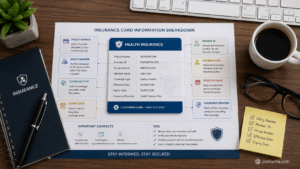
Imagine you’re standing at a doctor’s reception desk, trying to check in for an appointment. The receptionist asks for your insurance information, specifically your policy number. You pull out your insurance card, stare at it for a few seconds, and suddenly realize you have no idea which number is the policy number.
It’s a surprisingly common situation.
Many people carry insurance cards every day without fully understanding the information printed on them. Whether it’s health insurance, auto insurance, homeowners insurance, or another type of coverage, the details on an insurance card play a critical role when filing claims, verifying benefits, contacting customer service, or updating policy information.
One of the most important pieces of information is the policy number on insurance card documents. Yet many policyholders confuse it with a member ID, group number, customer number, or other identifiers.
Understanding your insurance policy number can save time, prevent claim delays, and help you avoid frustrating mistakes when dealing with insurance companies.
In this guide, you’ll learn:
- What an insurance policy number is
- Where to find it on different insurance cards
- How it differs from a member ID
- Why insurers use policy numbers
- Common mistakes consumers make
- How to protect your insurance information
- What to do if you cannot locate your policy number
By the end, you’ll know exactly where to look and how to use your policy number when it matters most.
What Is a Policy Number on an Insurance Card?
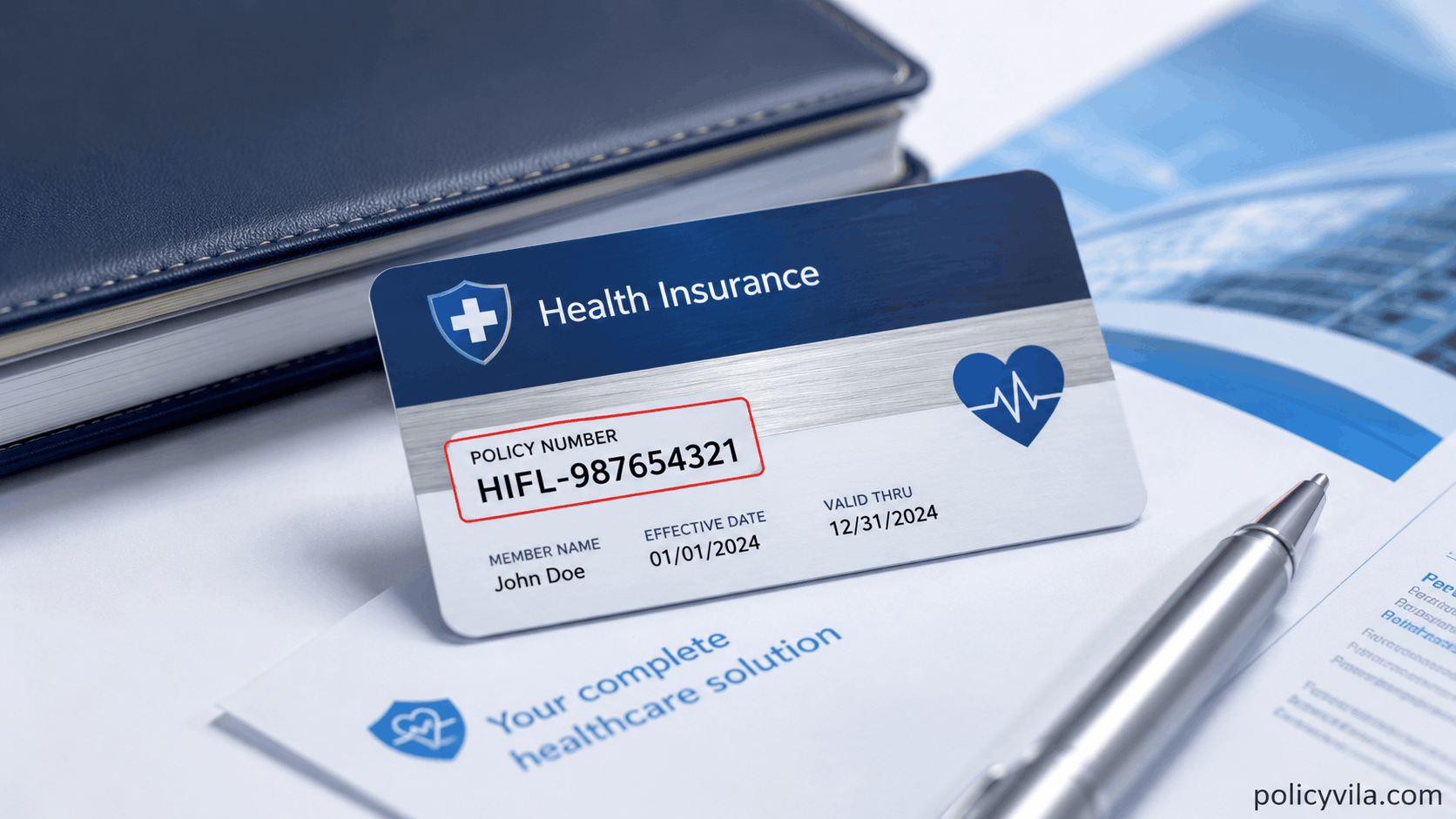
A policy number is a unique identification number assigned by an insurance company to a specific insurance policy.
Think of it like an account number for your insurance coverage.
Every insurance company uses policy numbers to organize and track customer accounts. This number allows insurers to quickly locate your policy details, verify coverage, process claims, and provide customer support.
Why Insurance Companies Assign Policy Numbers
Insurance companies manage millions of policies. Without a unique identifier, it would be difficult to accurately track coverage information.
A policy number helps insurers:
- Identify policyholders
- Verify active coverage
- Process claims efficiently
- Maintain accurate records
- Prevent administrative errors
- Improve customer service
How Policy Numbers Help Identify Coverage
Your policy number links directly to important information such as:
- Coverage limits
- Effective dates
- Deductibles
- Beneficiaries
- Payment history
- Claim history
Whenever you contact your insurance company, the policy number is often the fastest way for representatives to access your account.
Policy Number vs Other Insurance Identifiers
Insurance cards may display several different numbers, including:
- Policy Number
- Member ID
- Group Number
- Customer Number
- Subscriber Number
Because these numbers often appear together, many people mistakenly use the wrong one.
Understanding the differences is essential when completing paperwork or filing insurance claims.

Where Is the Policy Number on an Insurance Card?
The location of an insurance policy number varies depending on the type of insurance and the provider.
While there is no universal format, most insurers place the policy number in a prominent location.
Health Insurance Cards
On health insurance cards, the policy number is often located:
- Near the top of the card
- Under the member name
- Beside labels such as “Policy Number,” “Policy ID,” or “Subscriber ID”
Some health insurers combine the policy number with the subscriber identification number.
If you’re unsure, contact your insurer for clarification.
Auto Insurance Cards
Auto insurance cards typically display the policy number clearly because drivers frequently need it during:
- Traffic stops
- Accidents
- Claims reporting
- Vehicle registration processes
Common locations include:
- Center of the card
- Upper right section
- Under the insurer’s name
Many auto insurance companies label it explicitly as “Policy Number.”
Homeowners Insurance Documents
Homeowners insurance cards are less common, but policy numbers can usually be found on:
- Policy declarations pages
- Insurance statements
- Coverage summaries
- Digital account portals
Because homeowners policies involve extensive documentation, the policy number often appears on multiple pages.
Life Insurance Documents
Life insurance policy numbers are generally located on:
- Policy contracts
- Annual statements
- Premium notices
- Online account dashboards
Unlike health or auto insurance cards, life insurance policyholders often receive formal documents rather than wallet-sized cards.
Employer-Sponsored Insurance Plans
Group health plans provided through employers frequently include:
- Member ID
- Group Number
- Policy Information
In these cases, the policy number may be linked to the employee’s coverage under the employer-sponsored plan.
Always check with your HR department or insurance provider if you’re unsure which number is required.
Policy Number vs Member ID: Understanding the Difference
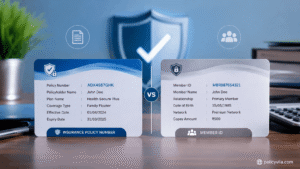
One of the most common sources of confusion involves the difference between a policy number and a member ID.
Although they may look similar, they serve different purposes.
What a Policy Number Represents
A policy number identifies the insurance policy itself.
It is tied to the overall contract between the insurance company and the policyholder.
The policy number remains the primary reference used by insurers to manage coverage.
What a Member ID Represents
A member ID identifies a specific individual covered under the policy.
For example:
A family health insurance plan may have:
- One policy number
- Multiple member IDs
Each family member receives a unique identifier while sharing the same policy.
Why They Are Often Confused
Insurance cards frequently display both numbers.
Many people assume:
- Member ID = Policy Number
- Subscriber Number = Policy Number
This isn’t always true.
Different insurance companies use different terminology.
Which Number You Need
You may need:
Policy Number For:
- Insurance claims
- Customer support
- Coverage verification
- Policy changes
Member ID For:
- Doctor visits
- Prescription services
- Healthcare providers
- Patient records
When in doubt, ask the insurer which number is required.
Why Your Policy Number Matters
Many people don’t pay attention to their insurance policy number until they suddenly need it.
Unfortunately, that’s often during stressful situations.
Filing Insurance Claims
Whether you’re reporting:
- A car accident
- Property damage
- Medical expenses
The policy number helps insurers locate your coverage quickly.
Without it, claim processing may take longer.
Verifying Coverage
Healthcare providers often request policy information before providing services.
Your policy number helps confirm:
- Active coverage
- Benefit eligibility
- Covered services
Customer Service Requests
When contacting an insurer, representatives usually ask for your policy number first.
Providing it immediately can significantly reduce wait times.
Medical Visits
Health insurance providers rely on policy information to process:
- Office visits
- Specialist appointments
- Emergency services
- Prescription claims
An incorrect number can create billing problems.
Billing and Payments
Insurance companies use policy numbers to track:
- Premium payments
- Renewal notices
- Account changes
Using the wrong number may result in payment issues.
Updating Policy Information
Changes involving:
- Address updates
- Vehicle changes
- Beneficiary modifications
typically require policy verification through the policy number.
Different Types of Insurance Cards Explained
Insurance cards may look different depending on the type of coverage you have. While the layout varies among providers, most cards contain similar identifying information, including the policy number on insurance card documents.
Understanding these differences can help you find the correct information quickly when you need it.
Health Insurance Cards
Health insurance cards are among the most commonly used insurance documents.
A typical health insurance card may include:
- Policy Number
- Member ID
- Group Number
- Insurance Company Name
- Customer Service Phone Number
- Prescription Coverage Information
Because healthcare providers frequently request insurance information, keeping your health insurance card accessible is essential.
Auto Insurance Cards
Auto insurance cards serve as proof of insurance coverage.
Most auto insurance cards contain:
- Policy Number
- Vehicle Information
- Effective Dates
- Insurance Company Contact Information
- Policyholder Name
Drivers may need to present these cards during:
- Traffic stops
- Vehicle registration
- Accident reporting
- Insurance claims
Homeowners Insurance Cards
Unlike health or auto insurance, homeowners insurance information is usually stored within policy documents rather than wallet-sized cards.
Important details often include:
- Policy Number
- Property Address
- Coverage Limits
- Deductible Information
- Claims Contact Information
Many insurers now provide digital access through mobile apps and online portals.
Dental Insurance Cards
Dental insurance cards typically resemble health insurance cards.
They often display:
- Member ID
- Policy Number
- Group Information
- Coverage Details
Dental offices use these identifiers to verify eligibility before providing treatment.
Vision Insurance Cards
Vision insurance plans usually provide members with identification cards containing:
- Policy Number
- Member Number
- Provider Network Information
- Customer Service Contacts
Although vision plans are generally simpler than health insurance plans, the policy number remains important for claims and coverage verification.

Common Places People Use Their Policy Number
Many consumers don’t realize how frequently they rely on their insurance policy number until they encounter situations where it becomes necessary.
Doctor Appointments
Medical offices routinely request insurance information before appointments.
Your policy number helps healthcare providers:
- Verify active coverage
- Submit claims
- Determine benefits eligibility
Without accurate information, claim processing may be delayed.
Insurance Claims
Whether filing:
- Health insurance claims
- Auto insurance claims
- Homeowners insurance claims
The insurance policy number acts as the primary identifier linking the claim to your coverage.
Vehicle Accidents
After an accident, insurance companies need your policy number to:
- Verify coverage
- Open a claim
- Assign an adjuster
- Review benefits
Having quick access to this number can make the claims process much smoother.
Policy Renewals
Insurance companies often request policy numbers when discussing:
- Renewals
- Coverage updates
- Premium adjustments
Using the correct policy number helps avoid account confusion.
Coverage Verification
Businesses and service providers may occasionally request insurance verification.
Examples include:
- Healthcare facilities
- Mortgage lenders
- Auto dealerships
- Contractors
The policy number helps confirm that coverage is active.
Online Account Management
Most insurers offer online account access.
Your policy number may be required when:
- Creating an online account
- Accessing policy documents
- Downloading proof of coverage
- Reviewing claim status
Common Mistakes People Make
Even experienced policyholders occasionally make mistakes involving insurance information.
Understanding these common errors can help you avoid unnecessary headaches.
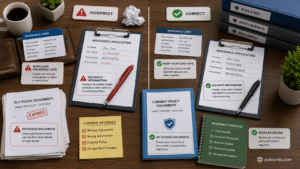
Confusing Member ID with Policy Number
This is by far the most common mistake.
Many insurance cards display both identifiers prominently.
As a result, policyholders often provide:
- Member ID when the insurer requests a policy number
- Policy number when a healthcare provider requests a member ID
Double-check which identifier is required.
Using an Old Insurance Card
Insurance companies frequently update:
- Coverage details
- Policy numbers
- Group information
- Contact information
Using an outdated insurance card may result in claim delays or denied submissions.
Always carry the most recent version.
Sharing Policy Information Insecurely
Insurance information contains sensitive personal data.
Avoid sharing policy details through:
- Unsecured emails
- Social media messages
- Public forums
Only provide information to verified organizations and authorized individuals.
Losing Insurance Documents
Many consumers don’t think about their insurance documents until an emergency occurs.
Losing your card can create problems when:
- Filing claims
- Visiting providers
- Contacting insurers
Consider storing digital copies securely.
Entering Incorrect Numbers
Typing mistakes can happen easily.
A single incorrect digit may:
- Delay claim processing
- Cause verification failures
- Lead to billing errors
Always review information carefully before submission.
Failing to Update Information
Life changes such as:
- Moving
- Changing jobs
- Getting married
- Purchasing a new vehicle
may require policy updates.
Failure to update insurance records can create coverage complications later.
What to Do If You Cannot Find Your Policy Number
If you’re wondering “Where is the policy number on an insurance card?”, don’t panic.
Several options are available.
Check Your Insurance Card Carefully
Start by reviewing both sides of the card.
Look for labels such as:
- Policy Number
- Policy ID
- Subscriber Number
- Identification Number
Different insurers use different terminology.
Review Policy Documents
Most insurers include policy numbers on:
- Coverage summaries
- Renewal notices
- Premium statements
- Declaration pages
These documents often provide more detailed information than the insurance card itself.
Log Into Your Online Account
Most major insurance companies now offer customer portals.
After logging in, you can typically view:
- Policy details
- Digital insurance cards
- Claims information
- Coverage summaries
This is often the fastest solution.
Contact Customer Service
Customer service representatives can help identify your policy number after verifying your identity.
Be prepared to provide:
- Name
- Address
- Date of birth
- Other identifying information
Use Mobile Insurance Apps
Many insurers provide mobile apps that display digital insurance cards.
These apps often include:
- Policy Number
- Coverage Details
- Claim Information
- Contact Options
Request a Replacement Card
If your insurance card is lost, damaged, or outdated, request a replacement.
Most insurers can provide:
- Digital versions immediately
- Physical replacements by mail