
Introduction
Imagine spending hundreds of dollars at Home Depot Return Policy on a new power tool, appliance, or home improvement project, only to discover later that you purchased the wrong model. Maybe the item doesn’t fit your needs, arrives damaged, or simply isn’t what you expected.
In situations like these, understanding the Home Depot Return Policy 2026 can save you time, money, and frustration.
Many shoppers assume all products can be returned easily, but return policies often include deadlines, category-specific rules, receipt requirements, and exceptions that can affect whether you receive a refund or exchange.
As Home Depot continues expanding its online and in-store shopping experiences, customers must understand how returns work, what products qualify, and which hidden restrictions could impact their refund eligibility.
This guide explains everything you need to know about Home Depot returns in 2026, including deadlines, refund methods, online returns, appliance rules, and common mistakes to avoid.
Understanding the Home Depot Return Policy 2026
The Home Depot Return Policy 2026 is designed to provide customers with flexibility while protecting the retailer from abuse and fraud.
In general, most new and unused products may be returned within a specified return window when accompanied by proof of purchase.
Return policies exist to:
- Protect consumers from defective products
- Allow exchanges for incorrect purchases
- Support customer satisfaction
- Prevent return fraud
- Maintain inventory accuracy
While many products fall under standard return rules, some categories such as appliances, special orders, generators, and custom products have unique requirements.
Understanding these distinctions before making a purchase can help avoid disappointment later.
How Long Do You Have to Return Items?
One of the most important aspects of Home Depot returns is knowing the applicable deadline.
Standard Return Window
Most products are eligible for return within the standard return period established by Home Depot.
Customers should always verify current return eligibility at the time of purchase, as certain product categories may have different requirements.
Common items under standard return policies include:
- Hardware
- Home improvement supplies
- Lighting products
- Plumbing materials
- Basic tools
- Home décor items
Extended Return Periods
Some purchases may qualify for extended return periods depending on:
- Product category
- Promotional events
- Membership programs
- Seasonal purchases
Extended return periods are often available during holiday shopping seasons.
Special Return Categories
Certain items have shorter return windows because of their value, complexity, or usage risks.
These may include:
- Major appliances
- Generators
- Consumer electronics
- Outdoor power equipment
Always review product-specific terms before completing your purchase.
Holiday Purchase Returns
Items purchased during holiday periods may receive extended return deadlines to accommodate gift-giving seasons.
Holiday return policies often provide additional flexibility for shoppers.
What Items Can Be Returned?
Many products sold by Home Depot qualify for returns when they meet return conditions.
Tools
Commonly returnable tools include:
- Hand tools
- Tool accessories
- Tool organizers
- Measuring equipment
Power Equipment
Power equipment often qualifies for return if returned within the applicable window and in acceptable condition.
Examples include:
- Drills
- Saws
- Compressors
- Pressure washers
Appliances
Many appliances may be returned subject to category-specific requirements.
Examples include:
- Refrigerators
- Washers
- Dryers
- Dishwashers
Building Materials
Building materials are frequently returned after project planning changes.
Examples include:
- Lumber
- Flooring
- Drywall materials
- Insulation products
Home Improvement Products
Home improvement items often qualify for return when unused or unopened.
Lighting and Electrical Products
Customers may return many lighting products including:
- Ceiling fans
- Light fixtures
- Electrical accessories
Outdoor Equipment
Outdoor products commonly returned include:
- Patio equipment
- Lawn accessories
- Garden tools
What Items Cannot Be Returned?
While Home Depot offers flexible return options, certain products may not qualify.
Customized Products
Custom-made products typically cannot be returned because they are manufactured specifically for the customer.
Examples include:
- Custom blinds
- Customized countertops
- Special fabrication orders
Special Orders
Special-order products often have unique return restrictions.
Hazardous Materials
Certain hazardous materials may be restricted due to safety regulations.
Gift Cards
Gift cards are generally non-refundable.
Certain Opened Products
Products requiring sanitary protection or safety compliance may have return limitations once opened.
Final Sale Items
Items marked as final sale typically cannot be returned.
Returning Items With a Receipt
Having a receipt significantly simplifies the return process.
Benefits include:
- Faster processing
- Easier verification
- Direct refund eligibility
- Reduced review requirements
When a receipt is available, Home Depot can typically verify:
- Purchase date
- Payment method
- Product details
- Return eligibility
Refunds are generally processed back to the original payment method whenever possible.
Customers may also request exchanges if a replacement item is preferred.
Can You Return Items Without a Receipt?
Losing a receipt does not always prevent a return.
Receipt Lookup System
Home Depot may be able to locate purchases through its transaction records.
Credit Card Lookup
If the original purchase was made using a card, transaction lookup may assist in locating purchase information.
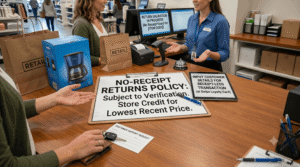
Store Credit Options
When verification is successful, some returns may qualify for store credit rather than a traditional refund.
Identification Requirements
Customers returning items without proof of purchase may be asked to provide government-issued identification.
Return Limitations
Returns without receipts may face:
- Reduced refund options
- Store credit limitations
- Additional verification requirements
Keeping digital receipts remains one of the best ways to simplify future returns.
Home Depot Online Return Policy
Online shopping continues to grow, making Home Depot online returns increasingly important.
Online Purchases
Items purchased online generally follow return guidelines applicable to their category.
Ship-to-Home Orders
Customers may return shipped items through approved return channels.
In-Store Online Returns
Many online purchases can be returned directly to physical Home Depot locations.
This option is often faster than shipping products back.
Return Shipping Options
Some products may require return shipping arrangements.
Shipping fees may vary depending on:
- Product size
- Product condition
- Return reason
Refund Processing Times
Online refunds often require additional processing time compared to in-store transactions.
Processing timelines vary based on payment method and financial institution.
Appliance Return Rules
Major appliances are among the most expensive purchases customers make at Home Depot, which is why appliance returns often follow stricter guidelines than standard merchandise.
Major Appliances
Large appliances commonly include:
- Refrigerators
- Freezers
- Dishwashers
- Washers
- Dryers
- Ranges
- Ovens
Because of their value and delivery logistics, customers should inspect these products immediately after receiving them.
Delivery Issues
If an appliance arrives with visible damage, dents, scratches, or missing parts, report the issue as quickly as possible.
Documenting damage with photos can help support claims and return requests.
Damaged Products
Products damaged during transportation may qualify for replacement, exchange, or refund depending on the circumstances and timing of the report.
Defective Appliances
If an appliance develops a defect shortly after purchase, Home Depot may direct customers toward manufacturer warranty support or available return options.
Return Deadlines
Appliance return windows are often shorter than standard merchandise return periods, making prompt inspection extremely important.
A common mistake shoppers make is leaving a boxed appliance unopened for weeks, only to discover they are outside the eligible return period.
Tool and Equipment Return Policy
Tools and equipment represent a significant portion of Home Depot sales, making understanding return rules essential.
Hand Tools
Most hand tools can generally be returned when they meet applicable return requirements.
Examples include:
- Screwdrivers
- Wrenches
- Hammers
- Measuring tools
- Tool kits
Power Tools
Power tools often qualify for returns if they are returned within the permitted timeframe and meet condition requirements.
Examples include:
- Drills
- Circular saws
- Impact drivers
- Nail guns
Rental Equipment
Rental equipment follows separate rental agreements and conditions.
Customers should carefully review rental contracts before taking equipment home.
Defective Equipment
Defective tools may qualify for exchange, repair assistance, manufacturer warranty service, or refund depending on the product and purchase date.
Manufacturer Warranty Considerations
Many premium tool brands provide warranties that may offer longer-term protection than the retailer’s return policy.
Always keep purchase records for warranty claims.
read also: Electric Insurance in 2026: Hidden Costs, Coverage Secrets & How to Save Hundreds
Hidden Rules Most Customers Don’t Know
Many shoppers focus only on the return deadline and overlook other important requirements.
These lesser-known rules can significantly impact whether a return is approved.
Restocking Fees
Some products may be subject to restocking fees.
These fees are more common with:
- Special-order items
- Certain appliances
- Bulk purchases
- Customized products
Always review purchase terms before buying.
Opened Product Restrictions
Opening a product does not automatically prevent a return, but it may affect eligibility.
Some categories have stricter rules once packaging has been opened.
Product Condition Requirements
Returned products should generally be:
- Clean
- Complete
- Undamaged
- Accompanied by included accessories
Missing components can delay or reduce refund eligibility.
Original Packaging Expectations
Although not always required, retaining original packaging can make returns significantly easier.
Original boxes often help:
- Verify product identity
- Protect products during transport
- Speed return processing
Seasonal Product Limitations
Seasonal merchandise may have unique return considerations.
Examples include:
- Holiday decorations
- Seasonal outdoor products
- Limited-time inventory
Fraud Prevention Measures
Like many large retailers, Home Depot uses systems designed to identify unusual return activity.
Excessive returns, suspicious transactions, or inconsistent purchase records may trigger additional review.
Refund Methods Explained
Understanding how refunds are processed helps set realistic expectations.
Credit Card Refunds
Credit card purchases are often refunded back to the original card used for payment.
Processing times vary by bank.
Debit Card Refunds
Debit card refunds may require several business days before funds appear in the account.
Cash Purchases
Cash transactions may qualify for cash refunds depending on return circumstances and store procedures.
Gift Card Purchases
Products purchased using gift cards are often refunded to a gift card or store credit balance.
Store Credit Refunds
Store credit may be offered when:
- No receipt is available
- Purchase verification is limited
- Specific return situations apply
Store credit can be useful for future Home Depot purchases.
Home Depot Exchange Policy
Sometimes an exchange is more practical than requesting a refund.
Product Exchanges
Customers frequently exchange products for:
- Different sizes
- Different colors
- Updated models
- Correct project specifications
Defective Product Replacements
If a product is defective shortly after purchase, an exchange may provide the fastest resolution.
Size and Model Swaps
Contractors and DIY homeowners often exchange items when project requirements change unexpectedly.
Examples include:
- Different drill sizes
- Alternative plumbing fittings
- Different lighting fixtures
Exchange Advantages vs Refunds
Benefits of exchanges include:
- Faster resolution
- No need to repurchase separately
- Reduced project delays
- Easier replacement of defective products
For many customers, exchanging an item is simpler than requesting a refund and making a new purchase.
read also: Secured vs Unsecured Loans in 2026: Pros, Cons & Hidden Risks Every Borrower Should Know
Common Return Mistakes to Avoid
Even though Home Depot offers a relatively customer-friendly return policy, many returns are denied or delayed because shoppers make avoidable mistakes.
Understanding these common errors can help ensure a smoother refund or exchange process.
Losing Receipts
One of the most frequent mistakes customers make is throwing away receipts too soon.
While Home Depot may be able to locate some purchases through payment records, having a receipt remains the fastest and easiest way to process a return.
Consider:
- Saving paper receipts
- Taking photos of receipts
- Storing digital copies
- Using online purchase accounts
Waiting Too Long
Many customers assume they can return products whenever they want.
Unfortunately, every return policy has deadlines.
Waiting beyond the eligible return window can result in:
- Denied returns
- Reduced refund options
- Store credit limitations
Inspect purchases as soon as possible after receiving them.
Damaging Packaging
Although not every return requires original packaging, heavily damaged or missing packaging can complicate the process.
For higher-value products, keeping the box and included materials can significantly improve return success.
Returning Incomplete Products
Products missing important components may not qualify for full refunds.
Examples include:
- Missing batteries
- Missing chargers
- Missing instruction manuals
- Missing accessories
Before returning an item, verify that all included parts are present.
Ignoring Category-Specific Rules
Not every product follows the same return policy.
Appliances, generators, power equipment, and special-order products often have unique requirements.
Always review product-specific rules before purchasing.
Not Understanding Deadlines
Some customers mistakenly believe every Home Depot item qualifies for the same return period.
Return windows vary depending on:
- Product category
- Purchase method
- Seasonal promotions
- Manufacturer agreements
Knowing the correct deadline can prevent disappointment.
How to Make Returns Faster and Easier
A few simple habits can save significant time when returning products.
Keep Digital Receipts
Digital receipts provide a convenient backup if paper copies are lost.
Many customers store receipts:
- In email folders
- Cloud storage
- Mobile apps
- Personal finance software
Use Loyalty Accounts
Customer accounts often help track purchases automatically.
Benefits include:
- Easier purchase verification
- Faster return processing
- Better transaction history access
Save Packaging
Keeping original packaging for a reasonable period can simplify returns, especially for expensive products.
This is particularly important for:
- Appliances
- Power tools
- Electronics
- Outdoor equipment
Inspect Products Quickly
Don’t wait weeks before opening purchases.
Inspect items immediately for:
- Damage
- Missing parts
- Defects
- Incorrect models
Early discovery makes returns easier.
Understand Category Rules
Before making a major purchase, spend a few minutes reviewing the applicable return policy.
This simple step can prevent costly surprises later.
Contact Customer Service When Needed
If you are unsure whether a product qualifies for return, contacting Home Depot customer service can provide clarification before visiting a store.
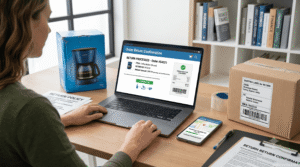
Customer Rights and Consumer Protection
Retail return policies are important, but consumers also have rights beyond store policies.
Defective Merchandise Rights
Customers generally have protection when products:
- Arrive damaged
- Fail unexpectedly
- Do not perform as advertised
- Have manufacturing defects
These situations may involve retailer assistance, manufacturer warranties, or consumer protection laws.
Warranty Considerations
Many products sold at Home Depot include manufacturer warranties.
Warranties may cover:
- Product defects
- Mechanical failures
- Replacement parts
- Repair services
In some cases, warranty coverage extends beyond the retailer’s return period.
Consumer Protection Laws
Consumer protection laws vary by location but often help protect buyers from:
- Misrepresentation
- Defective products
- Fraudulent business practices
Understanding these protections can help customers resolve disputes more effectively.
Escalation Options
If a return issue cannot be resolved through standard channels, customers may consider:
- Customer service escalation
- Manufacturer support
- Consumer protection agencies
- Payment dispute processes when appropriate
Most issues are resolved through normal customer service procedures.
read also: Health Insurance Deductibles Explained: What Every Family Must Know in 2026
Frequently Asked Questions
Can I return an item without a receipt?
Possibly. Home Depot may be able to locate your purchase through transaction records or payment information. In some situations, store credit may be offered instead of a traditional refund.
How long do Home Depot refunds take?
Refund timing varies depending on the payment method used. Credit and debit card refunds may require several business days for processing.
Can I return online purchases in-store?
Many online purchases can be returned at participating Home Depot locations, making the process faster and more convenient.
Are opened items returnable?
Some opened items may still qualify for returns, but eligibility depends on the product category and condition of the merchandise.
What happens if my product is defective?
Defective products may qualify for replacement, exchange, repair assistance, warranty service, or refund depending on the situation and timing.
Can appliances be returned?
Yes, many appliances can be returned, but they often follow special return deadlines and requirements that differ from standard merchandise.
Final Verdict
Understanding the Home Depot Return Policy 2026 can save shoppers both time and frustration. While Home Depot remains one of the more customer-friendly home improvement retailers, successful returns depend on knowing the rules before making a purchase.
Here are the most important takeaways:
Key Return Deadlines Matter
Not every product follows the same return window.
Different categories such as:
- Appliances
- Power equipment
- Outdoor products
- Special-order items
may have unique deadlines and requirements.
Always verify return eligibility before purchasing expensive items.
Receipts Make Everything Easier
Although Home Depot can sometimes locate purchases through payment records, having a receipt remains the easiest way to secure a refund or exchange.
Smart shoppers should:
- Keep paper receipts
- Save digital copies
- Use loyalty accounts
- Track online purchases
Product Condition Can Affect Approval
Many returns require products to be:
- Complete
- Undamaged
- Clean
- Accompanied by included accessories
Missing components or heavily damaged merchandise may reduce refund options.
Online and In-Store Returns Offer Flexibility
One advantage of Home Depot returns is the flexibility available to customers.
Many online purchases can be returned in-store, allowing shoppers to avoid shipping delays and receive faster assistance.
Hidden Rules Can Impact Refunds
Some customers are surprised by:
- Product-specific restrictions
- Special-order limitations
- Seasonal return rules
- Restocking fees
- Warranty requirements
Reading policy details before purchasing can prevent unexpected issues later.
Exchanges Are Often the Fastest Solution
For incorrect sizes, damaged merchandise, or defective products, exchanges may be quicker and more convenient than requesting a refund and making a new purchase.
Conclusion
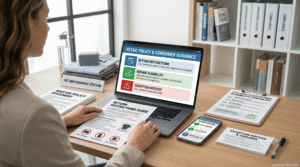
The Home Depot Return Policy 2026 is designed to provide flexibility for customers while protecting the retailer from abuse and fraud. Whether you’re a homeowner tackling a DIY project, a contractor purchasing job-site materials, or an online shopper ordering home improvement products, understanding the return process can help you avoid costly mistakes.
Before making a return, remember to:
- Keep your receipts whenever possible
- Inspect purchases immediately
- Understand category-specific return deadlines
- Save original packaging for expensive items
- Review special rules for appliances, tools, and online orders
- Contact customer service if you have questions
A little preparation can make the difference between a smooth refund and a frustrating experience. By understanding the Home Depot refund policy, Home Depot exchange policy, and important Home Depot return rules, you’ll be better prepared to shop confidently and protect your purchases throughout 2026 and beyond.