

For someone filing a claim for the first time, that title raises more questions than it answers. Does the adjuster decide whether the claim gets paid? Do they work for the insurance company or for the homeowner? How much influence do they actually have over the final settlement? Understanding the answers before the inspection happens makes it much easier to navigate the weeks that follow with realistic expectations instead of guesswork.
Quick Answer: What Does an Insurance Claim Adjuster Do?
An insurance claim adjuster investigates a reported loss, inspects the damage, reviews the policy, documents findings, and prepares an assessment that helps the insurer decide how the claim should be handled. Most adjusters — staff and independent adjusters — work for the insurance company, not the policyholder. A separate category, the public adjuster, is hired and paid directly by the policyholder to represent their interests instead. More than 30 states require these adjusters to be licensed, following model standards developed by the National Association of Insurance Commissioners (NAIC).
Table of Contents
- What Happens Before the Adjuster Ever Arrives
- The Different Types of Adjusters — and Who They Represent
- What the Inspection Actually Covers
- From Field Notes to a Repair Estimate
- Depreciation, ACV, and Replacement Cost
- How the Adjuster’s Findings Meet the Policy
- Understanding the Settlement Letter
- If You Disagree With the Settlement
- Should You Hire a Public Adjuster?
- Pros and Cons of Hiring a Public Adjuster
- Mistakes That Slow Down or Weaken a Claim
- Working Productively With Your Adjuster
- Checklist for a Smoother Claim
- Frequently Asked Questions
What Happens Before the Adjuster Ever Arrives
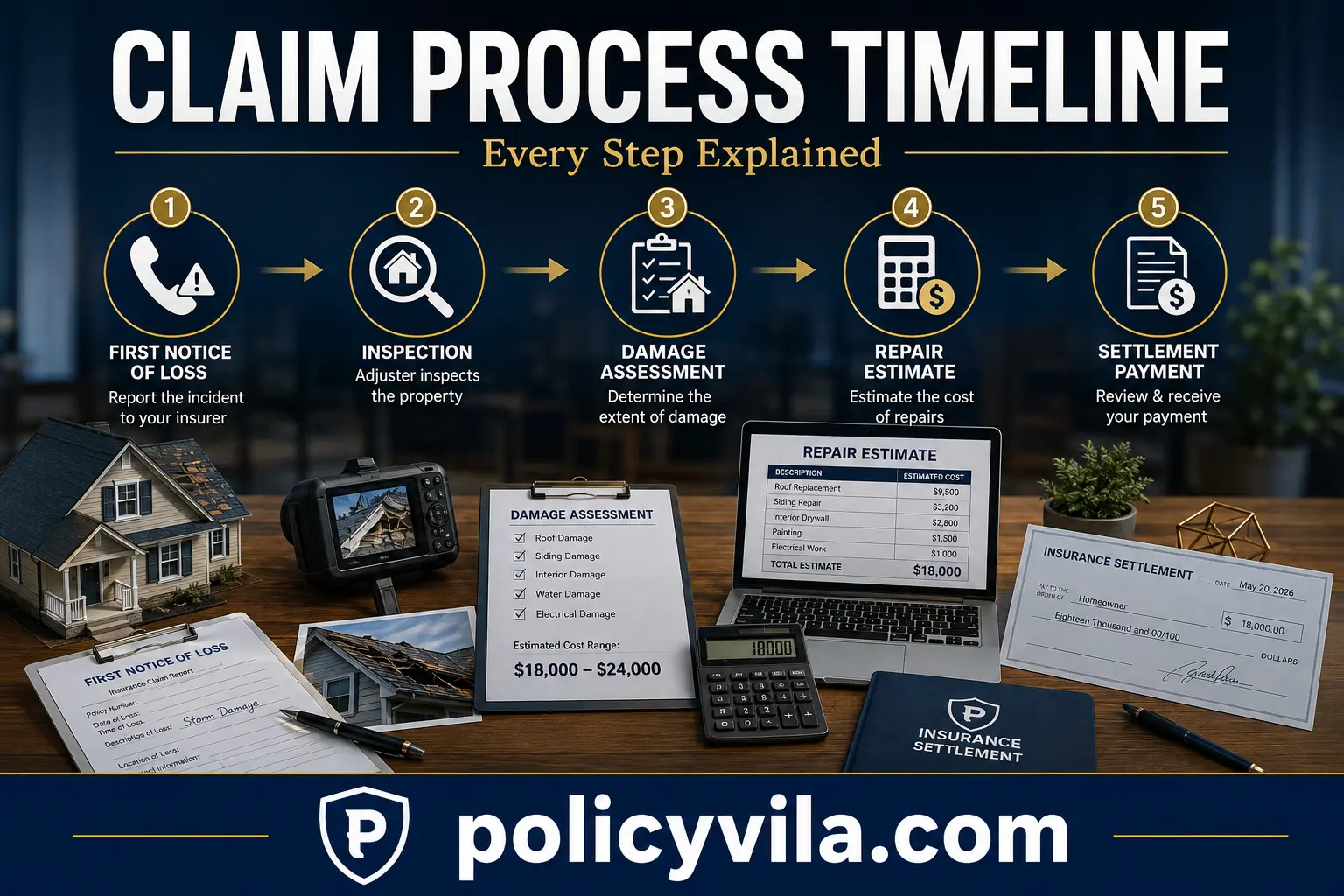
The claims process starts well before an inspection is scheduled. Once a loss is reported, the insurer opens a claim file — a central record of policy information, reported damage, photographs, and correspondence. The assigned adjuster typically reviews this file before the inspection to understand what type of loss occurred, when it happened, which areas of the property seem affected, whether emergency mitigation has already taken place, and what coverage may apply.
The initial description you give the insurer matters more than it might seem. Small details in that first report are often compared later against inspection findings, repair estimates, and photographs. Describe the damage clearly and honestly, and say so plainly if you’re uncertain about something — a guess that turns out wrong can create more confusion than an honest “I don’t know yet.”
Before the inspection, it helps to gather: clear photos and video of the damage, receipts for any emergency repairs, maintenance records, contractor estimates if you already have one, purchase receipts or warranty information for damaged belongings, and a written timeline of what happened.

The Different Types of Adjusters — and Who They Represent
Not every adjuster works the same job for the same employer. NAIC’s model licensing framework recognizes several distinct categories, and more than 30 states require licensure for one or more of them.
| Adjuster Type | Who They Represent | Typically Assigned When |
|---|---|---|
| Staff adjuster | The insurance company (as a direct employee) | Standard, everyday claims |
| Independent adjuster | The insurance company (as a contractor, often through an adjusting firm) | High claim volume, such as after a hurricane, wildfire, or regional disaster |
| Public adjuster | The policyholder — hired and paid by you, not the insurer | When a homeowner wants dedicated representation, often for larger or more complex losses |
| Specialty adjuster | The insurance company or a specialist firm | Technical losses — commercial property, marine, aviation, large industrial claims |
Staff and independent adjusters both work on behalf of the insurer, following the same policy language and documentation standards, even though one is a direct employee and the other is contracted in. A public adjuster is the one clear exception: they represent you, they’re paid by you under a separate agreement, and many states give policyholders a short window — commonly a few days — to cancel that contract after signing it, under NAIC’s Public Adjuster Licensing Model Act framework. Check your specific state’s rules if you’re considering hiring one.
What the Inspection Actually Covers
A property inspection is more thorough than a quick look and a few photos. An experienced adjuster is evaluating the cause of the loss, the extent of the damage, the property’s condition before the incident, and whether the reported damage falls within what the policy actually covers.
Cause matters as much as appearance. Two homes can show nearly identical damage and still receive different claim outcomes, because coverage typically responds to the cause of the loss, not just its visible result — a roof damaged by a sudden windstorm and the same roof leaking from years of deferred maintenance are treated very differently under most policies.
| Inspection Area | What’s Being Checked |
|---|---|
| Roof | Missing shingles, hail impact, wind damage, leaks |
| Exterior walls | Cracks, siding damage, impact marks |
| Windows and doors | Broken glass, water intrusion, frame damage |
| Interior ceilings | Water stains, sagging drywall, signs of mold |
| Flooring | Moisture damage, structural movement |
| Plumbing | Burst pipes, leak source, water spread |
| Electrical systems | Fire damage, exposed wiring, safety hazards |
| Personal property | Visible damage to insured belongings |
Adjusters typically take extensive photographs — sometimes dozens — and measure damaged areas directly, since accurate measurements produce a more reliable repair estimate than visual approximation alone. If the inspection turns up structural movement, hidden moisture, mold, or conflicting evidence about the cause, the insurer may bring in an engineer, contractor, or other specialist before finishing the evaluation.
One practical tip: avoid permanently repairing or discarding damaged materials before they’ve been documented, unless it’s necessary to prevent further loss. Temporary mitigation — tarping a roof, extracting standing water — is usually appropriate and expected; throwing away evidence before it’s seen is not.
[Relevant image: insurance claim adjuster inspecting roof and property damage after a storm]
From Field Notes to a Repair Estimate
After the inspection, the adjuster typically prepares a structured report: property information, cause of loss, areas inspected, damage description, photographs, measurements, and any additional documentation still needed. This report becomes a central reference for the rest of the claim.
Repair estimates are generally built using standardized estimating software and regional pricing data, rather than being guessed line by line — which helps produce more consistent numbers based on local labor and material costs. A typical estimate covers categories like roofing, interior repairs, flooring, plumbing, electrical, exterior work, and cleanup, each reflecting the projected cost to return the property to its pre-loss condition, subject to your policy’s terms.
Depreciation, ACV, and Replacement Cost
Many homeowners are caught off guard when the first check is smaller than the total repair estimate. Often, the reason is depreciation — a reduction reflecting how building materials or belongings lose value as they age. A 20-year-old roof and a brand-new one aren’t valued the same way, and how depreciation applies depends entirely on your specific policy.
| Valuation Method | General Description |
|---|---|
| Replacement Cost Value (RCV) | Pays the cost to replace damaged property, subject to policy terms and conditions |
| Actual Cash Value (ACV) | Factors in depreciation to reflect the property’s value at the time of loss |
Some replacement-cost policies pay the depreciated (ACV) amount first, then release the remaining “recoverable depreciation” once repairs are actually completed and documented. If your settlement seems lower than expected, check whether depreciation was applied and whether any of it is recoverable under your specific policy — this is one of the most common sources of confusion in property claims.

How the Adjuster’s Findings Meet the Policy
A repair estimate alone doesn’t set the settlement amount — it has to be checked against what the policy actually covers. That review typically asks: is the reported cause of loss covered, do any exclusions apply, how does the deductible affect payment, are the coverage limits sufficient, and do any endorsements change the picture. This is the step where documented damage turns into a specific dollar figure tied to your contract, not just the visible repair need.
Understanding the Settlement Letter
A settlement is usually made up of several components rather than one flat number: covered repair costs, personal property reimbursement, temporary living expenses if applicable, minus the deductible, and minus depreciation where it applies. Breaking the payment down this way makes it much easier to check that each piece matches what was actually documented.
The first payment also isn’t always the last one. Contractors sometimes find hidden damage once repairs are underway — behind drywall or under roofing materials — and if that damage is related to the original covered event, it can often be submitted for a supplemental review. Before hiring a contractor, compare the insurer’s estimate against the contractor’s proposal, paying attention to scope, materials, measurements, and anything listed as excluded; small differences are common, but large ones deserve a conversation before work begins.
If You Disagree With the Settlement
Disagreements don’t automatically mean something went wrong — sometimes it just means more documentation is needed. NAIC’s consumer guidance recommends asking the adjuster for a written explanation of how a decision was reached if you have questions, and if you and the insurer still can’t agree after that, contacting your state insurance department’s consumer services division for help.
Many property policies also include an appraisal clause — a formal process where each side selects an appraiser to independently value the disputed loss, with a neutral umpire resolving any difference between them. Check your policy to see if this option applies to your situation. A public adjuster or, in more complex disputes, an attorney are additional options worth considering if a disagreement over value can’t be resolved through normal channels.
Should You Hire a Public Adjuster?
A public adjuster works for you, not the insurer, and is paid directly by you under a separate contract — typically a percentage of the settlement, which varies by state and sometimes by the type of claim. NAIC’s consumer materials note that using a public adjuster is always optional, and that you retain the right to communicate directly with your insurer or an attorney regardless of whether you hire one.
They tend to be considered most often for larger or more complex losses — extensive property damage, detailed inventory and documentation needs, or settlement negotiations that feel beyond what a homeowner wants to manage alone. Confirm that any public adjuster you’re considering is actually licensed in your state before signing anything; your state insurance department can confirm licensing status if you’re unsure.

Pros and Cons of Hiring a Public Adjuster
| Pros | Cons / Limitations |
|---|---|
| Dedicated representation focused on your interests, not the insurer’s | Fee is paid by you, typically as a percentage of the settlement |
| Can help organize complex documentation and inventories | Not necessary for smaller, straightforward claims |
| Experienced in negotiating with insurer-side adjusters | The insurer isn’t required to agree with the public adjuster’s damage estimate |
| Most states offer a short right to cancel the contract after signing | Requires verifying licensing before hiring, and doing your own research on reputation |
Mistakes That Slow Down or Weaken a Claim
Waiting too long to report the loss
Fix: Report promptly — delay can let water damage spread, mold develop, or evidence disappear, making the original cause harder to establish.
Disposing of damaged property before it’s documented
Fix: Preserve damaged materials until the insurer confirms they’re no longer needed; if immediate disposal is required for safety, photograph everything first.
Not documenting emergency repairs
Fix: Keep receipts, invoices, and before-and-after photos for any temporary mitigation — tarping, water extraction, boarding up windows.
Guessing instead of saying “I don’t know”
Fix: Give accurate information about what you’re certain of, and say plainly when you’re not sure about a cost, date, or cause.
Overlooking smaller or secondary damage
Fix: Mention every observed issue — ceiling stains, damp insulation, loose gutters — not just the most obvious damage.
Not reading the estimate before discussing the settlement
Fix: Review what’s included, what’s excluded, how depreciation was applied, and how the deductible factored in before raising concerns.
Working Productively With Your Adjuster
Most claims move more smoothly when both sides communicate professionally and stick to documented facts rather than broad statements. Treating the adjuster as your primary point of contact — rather than reaching out to multiple departments — tends to keep communication organized.
Ask questions rather than assuming: which damage was included in the inspection, what additional documents are needed, how the estimate was prepared, and what your deductible affects. Keep a simple record of inspection dates, calls, emails, contractor estimates, and your claim reference number — even a basic notebook or folder prevents confusion later. Respond promptly to information requests, since waiting weeks to send a document can extend the whole timeline. And when describing damage, specifics carry more weight than generalizations: “water entered through the ceiling and affected the drywall, insulation, and flooring in three rooms” is more useful to an adjuster than “everything is ruined.”
Checklist for a Smoother Claim
- Report the loss promptly and describe it accurately, without guessing at details you’re unsure of
- Photograph and preserve damaged property before repairs or disposal
- Keep receipts and photos for any emergency mitigation
- Gather maintenance records, prior photos, and purchase receipts for damaged belongings
- Be present for the inspection if possible, or have someone familiar with the property attend
- Review the estimate in detail — scope, exclusions, depreciation, deductible — before discussing settlement
- Compare the insurer’s estimate against contractor proposals before signing repair contracts
- Ask for a written explanation if you disagree with a decision, and check whether your policy includes an appraisal clause
- Contact your state insurance department if a disagreement can’t be resolved directly
- Confirm licensing before hiring a public adjuster, and understand the fee structure upfront
Frequently Asked Questions
Does the insurance claim adjuster work for me?
Usually not. Staff and independent adjusters work for the insurance company. A public adjuster is the exception — they’re hired and paid directly by the policyholder to represent your interests instead.
Can I be present during the inspection?
Yes, and it’s often helpful. Walking through the damage with the adjuster lets you point out less obvious issues, explain what happened, and answer questions directly.
Can an adjuster deny my claim on their own?
Adjusters investigate and document the claim, but coverage decisions are generally made according to the policy language, supporting evidence, and the insurer’s internal review process — the adjuster’s findings are a major input, not the sole authority.
Why is my payment lower than the repair estimate?
Common reasons include the deductible, depreciation (if your policy applies it), coverage limits, excluded damage, or specific endorsements. Reviewing the settlement breakdown line by line usually explains the gap.
What if I find more damage after the inspection?
Notify your insurer or adjuster as soon as possible. If the newly found damage is related to the original covered event, it can often be documented and submitted for a supplemental review.
What’s the difference between Actual Cash Value and Replacement Cost Value?
ACV factors in depreciation, paying the item’s value at the time of loss; RCV pays the cost to replace it, subject to your policy’s terms. Some replacement-cost policies pay the ACV amount first and release the remaining depreciation once repairs are completed.
What can I do if I disagree with the settlement amount?
Ask the adjuster for a written explanation of how the amount was calculated. If you still disagree, check whether your policy includes an appraisal clause, contact your state insurance department’s consumer services division, or consider a public adjuster or attorney for more complex disputes.
Is hiring a public adjuster required to get a fair settlement?
No — it’s always optional, and you retain the right to communicate directly with your insurer or an attorney regardless of whether you hire one. It’s a choice some policyholders make for larger or more complex claims, not a requirement for any claim.
How do I know if a public adjuster is legitimate?
Confirm they’re licensed in your state — most states require it — by checking with your state insurance department. Many states also give you a short window to cancel the contract after signing if you change your mind.
Should I hire a contractor before I get the insurance estimate?
Emergency repairs to prevent further damage are generally fine right away. For larger restoration work, many homeowners wait until they understand the insurer’s estimate and covered scope before signing a full repair contract.
How long does a typical claim take to resolve?
It varies widely based on the severity of the damage, whether it’s part of a widespread weather event affecting many properties at once, how quickly documentation is provided, and how complex the repairs are. Responding promptly to information requests is one of the most effective ways to avoid unnecessary delays.
Final Thoughts
An insurance claim adjuster’s job is to turn a reported loss into a documented, evaluated claim — inspecting the property, gathering evidence, comparing it against the policy, and helping produce a settlement grounded in facts rather than assumptions. Understanding whether your adjuster works for the insurer or for you, what the inspection is actually checking, and how depreciation and coverage limits shape the final number puts you in a much stronger position throughout the process.
Good documentation, prompt communication, and a clear understanding of your policy do more to smooth out a claim than any single negotiating tactic. And if a disagreement does arise, you have real options beyond simply accepting the first number — a written explanation, an appraisal clause, your state insurance department, or a public adjuster are all part of a system built to make sure the outcome reflects the actual facts of the loss.